Ensuring Quality and Compliance in Bidirectional Carbon Fiber Cloth
The realm of composite materials has witnessed significant advancements, with bidirectional carbon fiber cloth emerging as a vital component across various sectors. From aerospace to marine engineering, the demand for materials that offer both lightness and strength is crucial, and global forecasts suggest that the carbon fiber market will soar to USD 7.8 billion by 2024. This guide focuses on the quality control and compliance aspects of bidirectional carbon fiber cloth, covering its specifications, applications, and procurement considerations. With 20 years of expertise, Impact Materials underscores its dedication to quality assurance and reliability, serving over 120 countries and completing more than 3,200 projects. Whether you’re an engineer or a procurement manager, understanding the quality parameters of bidirectional carbon fiber cloth is essential to ensure optimal performance in critical applications.
Key Takeaways
- Bidirectional carbon fiber cloth features tensile strengths upwards of 3500 MPa, crucial for aerospace standards.
- Selecting the appropriate weave pattern and fiber type is vital for performance based on application requirements.
- Opt for prepreg options like 3K twill weave to enhance consistency and durability in manufacturing processes.
- Supplier certifications such as ISO 9001 are vital in ensuring quality assurance during procurement.
The Importance of Quality in Bidirectional Carbon Fiber Cloth
Defining Bidirectional Carbon Fiber Cloth
Bidirectional carbon fiber cloth, commonly identified as woven carbon fiber fabric, incorporates fibers aligned in two perpendicular directions. This structure ensures balanced strength, catering to applications that require efficient multidirectional load support. Typically, its tensile strength spans 3500 MPa, making it suitable for rigorous sectors like aerospace and automotive.
Specifications and Compliance
- Tensile Strength: 3500 MPa
- Density: 1.6 g/cm³
- Fiber Volume Fraction: 60%
- Elongation at Break: 1.5%
These specifications, validated through ASTM D3039 testing, confirm the material’s capacity to endure significant stress without compromising structural integrity. Options from Impact Materials conform to these industry standards, emphasizing the necessity of adhering to recognized benchmarks.
Applications in Various Industries
With its extensive use in industries like aerospace for fuselage and wing skins, automotive for body panels, and marine for hull structures, bidirectional carbon fiber cloth meets diverse industry demands. Its capacity to evenly distribute stresses across different directions makes it quintessential in structural reinforcement roles.
Evaluating Weave Patterns for Quality
Twill Weave Carbon Fiber
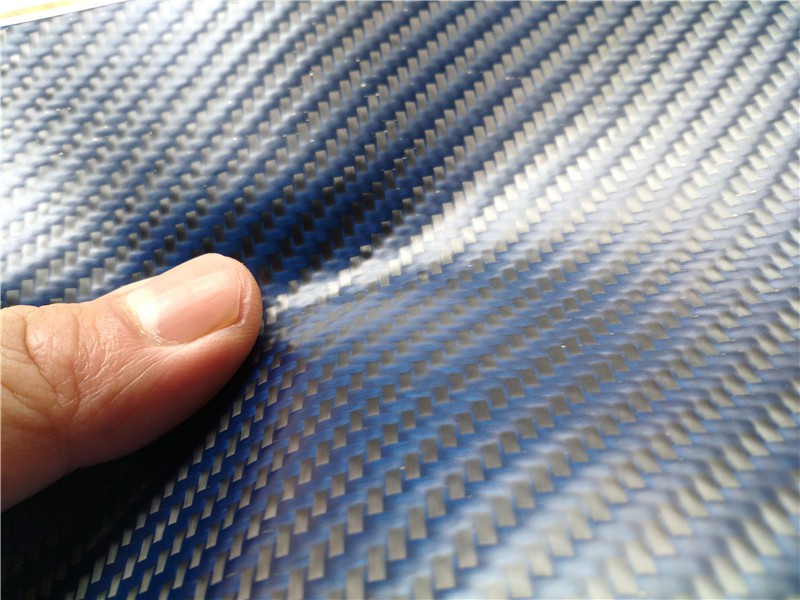
Characterized by its diagonal pattern, twill weave carbon fiber offers exceptional flexibility and drapeability, which is advantageous for complex geometries and curves. This feature makes it especially favorable for automotive body panels and aerospace components, while enhancing the visual appeal of finished products.
Plain Weave Carbon Fiber
Plain weave carbon fiber, with its elementary checkerboard pattern, excels in dimensional stability despite lower drapeability compared to twill. Its tighter weave structure suits applications necessitating robust stability, such as flat surfaces in construction and marine technology.
| Weave Pattern | Flexibility | Applications |
|---|---|---|
| Twill | High | Automotive, Aerospace |
| Plain | Moderate | Construction, Marine |
For those prioritizing flexibility and aesthetics, the 3K twill carbon fiber fabric epoxy resin prepreg offers an ideal balance, ensuring durability without sacrificing appearance.
Featured Bidirectional Carbon Fiber Cloth Products
Explore a range of top-tier bidirectional carbon fiber cloth products from Impact Materials, trusted by manufacturers globally.

Technological Advancements: Prepreg and Pultrusion
Advantages of Carbon Fiber Prepreg 3K
Incorporating carbon fiber prepreg 3K involves pre-impregnating fibers with epoxy resin systems, ensuring consistent fiber distribution and high-quality composite formation. This method enhances the mechanical properties of the product, adhering to stringent industry standards.
For comprehensive insights and sourcing guidelines, refer to Impact Materials Co., Ltd. Understanding the importance of certifications such as ISO and ASTM can significantly impact procurement decisions, ensuring consistent compliance and product quality.
Pultrusion Techniques
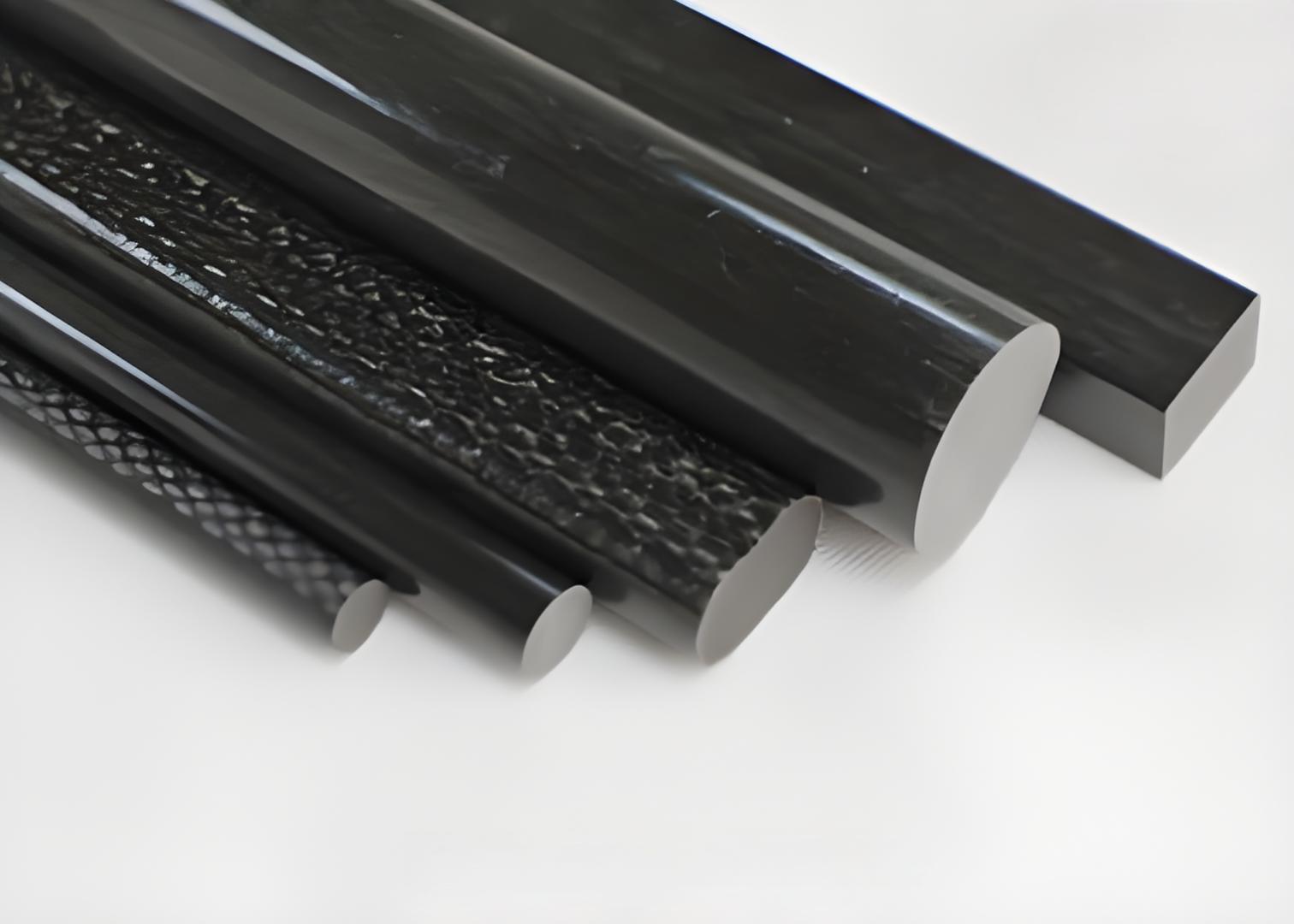
Pultrusion offers a continuous production approach for producing high-strength composite materials. This method is crucial for applications requiring long, uniform composite profiles, frequently utilized in the construction and industrial sectors. By adhering to procedure standards and consistent quality checks, pultrusion methods ensure material reliability.
Ensuring Compliance and Traceability
Certifying Supplier Quality
Supplier quality verification is a critical step in the procurement process. Ensure that suppliers possess certifications such as ISO 9001, which affirms their commitment to quality management systems. This diligence is particularly significant in regulated industries like aerospace and medical sectors.
Addressing Quality Concerns
Common quality issues include deviations in fiber alignment and resin inconsistencies. Implementing thorough quality inspection methods like ultrasonic testing and regular audits can mitigate these risks, ensuring the material’s integrity and performance.
For more on securing reliable supplies for your projects, consult a reputed bidirectional carbon fiber cloth manufacturer to guarantee adherence to your project’s specific needs.
Traceability in Regulated Industries
Regulated industries demand stringent traceability from raw material sourcing to end-product delivery. Maintain comprehensive documentation and employ traceability systems that track every stage of production. Compliance with international standards like EN 9100 for aerospace is crucial to meeting industry-specific requirements.
To further explore innovative solutions and ensure compliance across your projects, visit Impact Materials for bidirectional carbon fiber cloth solutions.